5 Principles of Modern Marketing: A Practical Guide for Brands
TL;DR
Modern marketing brings customer understanding, consistent experiences, human judgment, and measurable goals into your everyday work. These five principles can help you put that into practice:
- Know the people behind the clicks: Address the motivations and concerns that influence their decisions.
- Every touchpoint tells your story: Make sure your content, service, and customer experience support the same promise.
- Let AI power the work. Let humans set the direction: Give clear instructions, review the output, and stay responsible for what you publish.
- Earn your place in the conversation: Listen, contribute something useful, and let customer feedback shape your response.
- Make every campaign a step toward growth: Set a business goal, measure relevant results, and apply what you learn.
1. Know the People Behind the Clicks
Understand the Motivation Behind the Action
Before planning your next campaign, ask yourself: what does your customer need to feel confident about choosing you? Their age, location, and interests give you a starting point. A customer-centric approach to marketing takes you further by exploring their priorities, frustrations, and expectations. That understanding helps you decide which questions your message should answer first.
When you think about what makes people buy, consider the reassurance they might need along the way. Someone can be interested in your product and still have questions holding them back. Google’s research on how shoppers explore and evaluate their options offers a useful way to think about this: customers may move between discovering possibilities and comparing them before deciding. Your content can help them work through those questions.
Let’s say you’re marketing a software subscription. You might be excited to showcase its features, while your customer is wondering, “Will this work with the tools we already use?” or “How long will my team need to learn it?” A practical demonstration or a clear setup guide could be exactly what they need.
Start with the questions already coming through your inbox, comments, and sales conversations. Look for patterns, then build your content around them. You’ll have a clearer message—and your customers will have an easier time deciding whether you’re the right fit.

Give People a Reason to Trust
Trust grows when customers see your business follow through on its promises. A clear delivery update, an honest explanation of a product’s limitations, or a helpful response to a complaint can give your marketing claims credibility. To build consumer trust in marketing, start by checking whether the experience you deliver matches the message you promote. Keep your promises realistic and your communication clear, so customers know what they can count on.
Start with the promises you make. If you advertise quick delivery, give a realistic timeframe. If your service has limitations, explain them early. When someone raises a concern, take the time to understand it and offer a clear answer. You’re giving customers practical reasons to feel confident about working with you.
Bring that same care to your creator partnerships. When considering how influencer marketing affects consumer purchase behavior, ask whether the creator can genuinely help their audience assess your product. Choose someone whose interests fit your brand, and give them room to explain their experience in their own words. Their recommendation may encourage someone to try you; the experience you deliver gives that customer a reason to return.
Make the Next Step Feel Easier
Now look at the experience you’re offering. Can visitors find the information they need? Is the next step clear? The psychology behind clicks highlights how relevance and the effort required to process information can shape that experience. Clear explanations and well-organised pages help people navigate their choices.
Start with questions already appearing in your inbox, comments, and sales conversations. If customers repeatedly ask about delivery, make those details easier to find. If they struggle to understand your service, show a practical example. Then check whether those changes help. Each question is an opportunity to make your marketing more useful and give customers greater confidence in their decision.
2. Every Touchpoint Tells Your Story
Let Customers Experience What You Stand For
Your brand story takes shape in everyday moments: how your packaging feels, how your team answers a question, and how easily someone can use your website. Each experience gives customers clues about the kind of business you are. Recognising how every touchpoint shapes your brand story helps you bring your brand values into practical decisions.
If you want your brand to feel approachable, for example, carry that through to clear product descriptions, welcoming staff, and helpful replies. Choose the qualities you want customers to remember, then consider how they would experience those qualities when interacting with you.
Give Each Channel a Useful Role
Your social posts, website, and emails can contribute different parts of the same story. Someone scrolling through Instagram may appreciate a quick demonstration, while someone visiting your product page may need specifications or pricing. Thinking about the role of each touchpoint in brand storytelling helps you decide what information belongs where.
Imagine you’re promoting a reusable bottle. A short video could show how it fits into a busy day. Your website could explain its materials and capacity, while a post-purchase email shares cleaning instructions. Each piece adds useful information while supporting the same promise of everyday convenience.
Connect the Promise to the Experience
It’s easy for inconsistencies to appear when different people manage your channels. An advertisement might promise personalised advice, while the enquiry form leads to a generic response. Reviewing where touchpoints tell conflicting stories can help you spot these gaps and align your team around what customers should expect.
Start with one common journey through your digital touchpoints: follow an ad, open the landing page, and submit an enquiry. Include the confirmation and follow-up, because the experience continues after someone takes action. Check whether the offer stays clear and the next step feels natural. Share any gaps with the people responsible and agree on a fix. You’ll make it easier for customers to recognise your brand and understand what they can expect from you.

3. Let AI Power the Work. Let Humans Set the Direction.
Start with Work That Needs More Time Than Judgment
Look at the tasks that fill your week: adapting captions, outlining articles, preparing email variations, or turning approved material into different formats. These are practical places to introduce AI into your content creation process, while keeping your team involved in reviewing and improving the results.
Suppose you’re launching a weekend café promotion. Your team has already agreed on the audience, offer, and main message. AI can help turn that brief into Instagram captions, an email draft, and website banner copy. You decide which benefit deserves attention and whether each version suits the channel.Try this with one campaign first. Track how long it takes to reach an approved draft, including corrections. If you spend more time fixing the output than you save, revisit the instructions or narrow the task.
Give Better Direction to Get Better Drafts
The quality of your brief matters. Asking for “an engaging caption” leaves AI to guess what engaging means for your business. Using clear, structured marketing prompts helps you specify the audience, objective, tone, format, and information the draft must contain.
For the café campaign, you could write: “Create three Instagram captions under 60 words for nearby office workers. Promote our Saturday breakfast set using the confirmed details below. Keep the tone warm and straightforward, include the booking link, and use only the supplied offer information.”
Provide an approved caption as a style reference, then refine the output with specific feedback. “Lead with the breakfast offer” gives clearer direction than “make it better.” Bring your customer knowledge into the revision, especially where the wording feels generic or overlooks a reason people would choose you.
Keep Your Standards in Charge
As you expand the workflow, keep it human-led through clear instructions and review points. Agree on what AI may produce, which information it should use, and who approves the final work.
Before publishing the café campaign, check prices, dates, and conditions against the approved brief. Confirm that visuals represent the actual offer and that the booking link works. Read the copy as a customer would: is the offer clear, and does it promise anything the business cannot deliver?
Use recurring corrections to improve your next brief. Over time, you’ll develop a more reliable process that gives your team more room for creative decisions while keeping responsibility for the message firmly with you.
4. Earn Your Place in the Conversation
Understand the Conversation You’re Joining
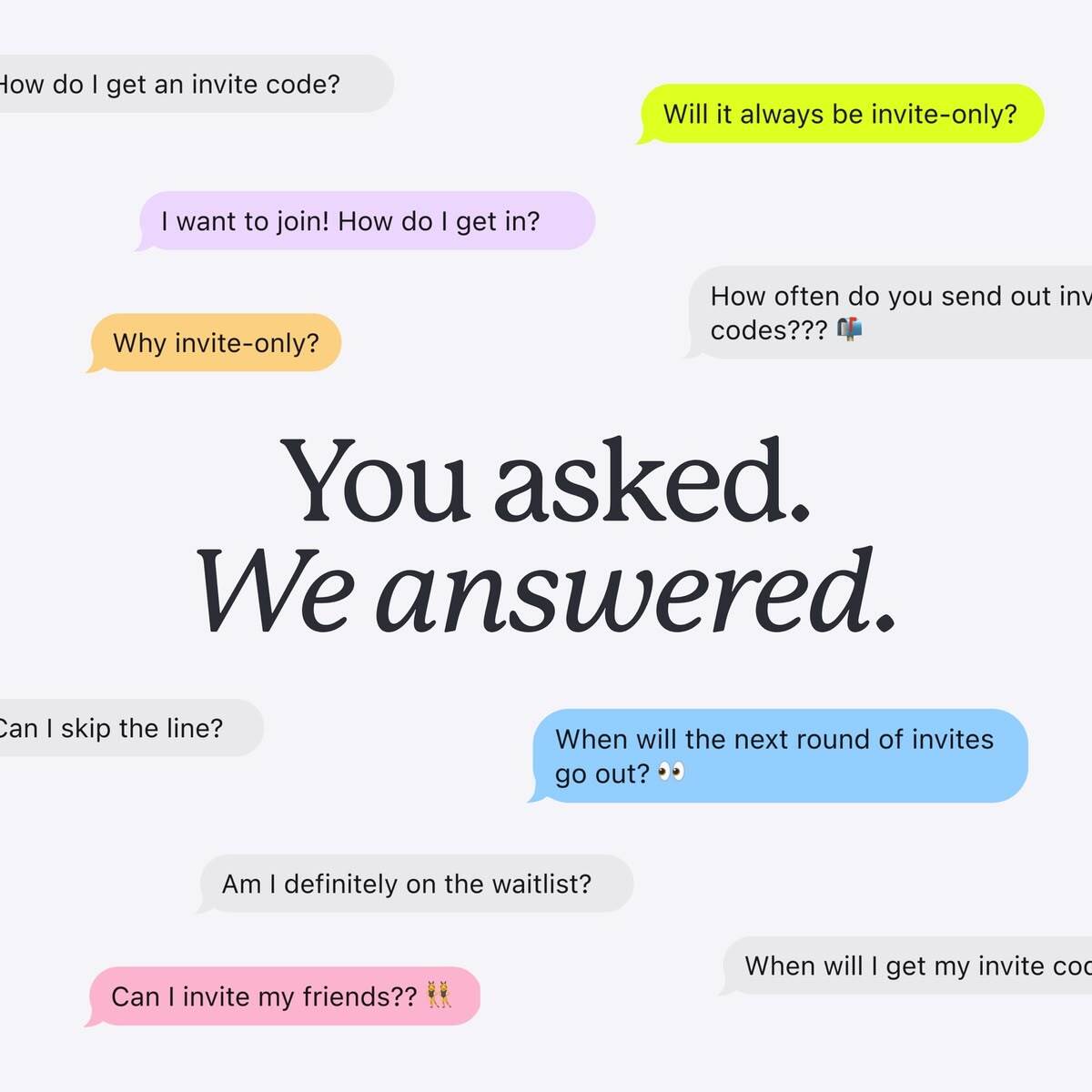
A trend can give your brand visibility, but you still need a reason to be there. People gather around shared interests, experiences, humour, and concerns. Your contribution needs to make sense within that setting. Before joining in, spend time understanding what people are discussing and how they speak to one another.
For a fitness studio, a conversation about beginners feeling uncomfortable at the gym offers a relevant opportunity. A trainer could explain what happens during a first session, acknowledge the awkwardness of learning unfamiliar exercises, and answer questions. That contribution addresses something people already care about.
This requires a little patience. Read beyond the most popular comment. Notice the questions that remain unanswered and the advice people find useful. The habit of listening before you engage helps you avoid arriving with a prepared sales message that misses the point of the discussion. You also need to respect the space. In a community you don’t own, follow its rules and be clear about your connection to the business. Contribute where you have relevant knowledge, and give others room to disagree or share a different experience.
Let the Response Shape What Happens Next
A conversation becomes worthwhile when someone’s answer changes how you respond. If every enquiry receives the same pitch, you’re missing the opportunity to understand what would actually help.That’s where two-way customer conversations become useful. They allow you to respond to a person’s circumstances and help them explore their options through a channel they’re comfortable using.
Suppose someone asks your fitness studio, “Can I join if I’ve never exercised before?” Sending the membership price answers only part of what they might need to know. Explain which sessions welcome beginners, how instructors introduce the exercises, and what support is available. You could then ask whether they would prefer a group class or an individual introduction.Keep the exchange manageable. Ask one relevant question at a time and explain enough to help them decide. A useful conversation can end with someone realising the service isn’t suitable for them. Giving an honest answer still represents your business well.
Remember What People Have Already Told You
It’s frustrating to explain a concern in a message and then repeat it when another team member replies. As your enquiries grow, make sure the people responding can access the relevant conversation history. That continuity supports more personal customer interactions and helps your team give appropriate recommendations.
If someone has asked about beginner classes after work, your follow-up should reflect those preferences. Keep records relevant to the enquiry, respect communication preferences, and avoid treating one question as permission for repeated promotional messages.
Automation can help with opening hours, directions, or class availability. More individual concerns need a clear route to someone who can listen and respond properly. The important part is whether the customer receives a useful answer and knows what happens next.
Give the Conversation Somewhere to Go
The questions people share can improve more than your replies. They can reveal gaps in your content, your service, or the way you explain your offer.
If your studio repeatedly hears that attending alone feels intimidating, consider a first-visit walkthrough or an optional welcome session. If people struggle to understand the timetable, simplify it. Then explain the change: “Several of you asked how to choose your first class, so we’ve added a beginner’s guide.”
That makes participation worthwhile. People can see that their contributions have influenced what you do. Over time, earning your place in the conversation means becoming a business people feel comfortable approaching, questioning, and recommending because they expect you to pay attention.
5. Make Every Campaign a Step Toward Growth
Give the Campaign a Business Purpose
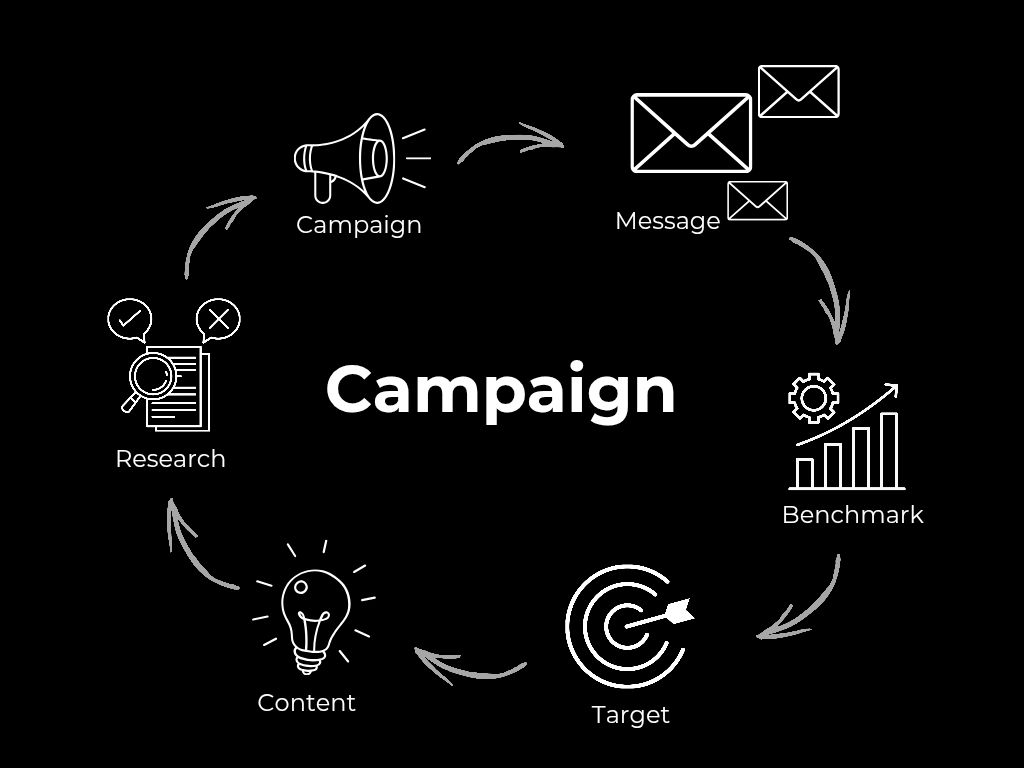
It’s easy to get absorbed in the creative work: the headline, the visuals, and the launch plan. Before committing your budget, agree on what the campaign needs to accomplish. Are you trying to fill appointments, introduce a new product, or encourage existing customers to buy again? Connecting your marketing goals to business priorities gives those creative decisions a clear direction.
Imagine you’re promoting a paid workshop. “Generate interest” leaves plenty of room for interpretation. A target such as securing 30 paid registrations within four weeks gives your team something concrete to work towards. Check that the target is realistic against previous results, available budget, and capacity. Then decide how you’ll track registrations before the campaign goes live.
Read the Results in Context
A campaign report can look impressive and still leave you unsure whether the investment was worthwhile. Choose campaign metrics that reflect your objective, and use supporting numbers to understand how people moved towards that outcome.
For your workshop, reach shows how widely the promotion was seen, clicks indicate interest, and paid registrations show completed bookings. Review those registrations alongside campaign costs and the income left after delivering the workshop. Selling every seat through an expensive campaign may leave less profit than you expected.
Give awareness campaigns an appropriate assessment, too. Reaching a relevant audience and improving brand recognition can support future demand, even when immediate purchases aren’t the primary goal. Agree on that purpose in advance so you don’t judge the campaign by a different standard after it ends.
Turn the Review into a Decision
Build time for evaluation into your campaign plan and budget. You’ll need enough visibility into spending and results to decide what deserves further investment. If plenty of people visit the workshop page but few register, investigate before increasing the advertising budget. Check whether the date and price are easy to find, whether the page explains what attendees will learn, and whether registration works on mobile. These are possible causes to examine, rather than conclusions the click numbers can prove.
Choose a specific improvement to test and record what happens. After the campaign, leave your team with three clear decisions: what to keep, what to change, and what to investigate next. Even a disappointing result can inform a better decision—but only when you take the time to understand it and apply the lesson.
Conclusion
Put the Principles to Work
With so many channels to manage and tools to try, it’s easy to lose sight of the people you’re trying to reach. These five principles offer a way to stay focused: understand your customers, deliver a consistent experience, give AI clear direction, participate thoughtfully, and connect your campaigns to meaningful business goals.
You don’t need to get everything right at once. Take a closer look at the work already in front of you. Perhaps your website leaves an important question unanswered, or your campaign reports show results without explaining what to do next. Choose one area to improve and follow through.
Modern marketing takes shape in those everyday decisions. Over time, the care you put into your message, the experience you deliver, and the lessons you act on can give customers more reasons to choose your business—and stay with it.